
[INT-06]Disputes and expert evidence
Lease return disputes: the technical questions they turn on
Jet ResearchReviewed 6 min read
Most lease return disputes come down to three technical questions: what the lease required, what condition the aircraft and its records were actually in on the return date, and what it costs to close the gap. Each is answered from evidence, chiefly the maintenance records, the inspection findings and the photographs made at the time.
Key points
- The argument is usually about evidence of condition, not about the aircraft as it is today.
- Findings recorded at the time carry more weight than reconstructions made later.
- Clear return language and regular inspections prevent most of these disputes.
What do lease return disputes usually concern?
The lease sets return conditions. The owner says one or more were not met. The operator says they were, or that the shortfall is smaller than claimed. The recurring subjects are:
- Whether the records were complete, and what a gap is worth.
- Life limited parts whose history cannot be traced.
- Engine condition and performance against the return standard.
- Whether a check was really the check the lease named, and how fresh it was.
- Repairs and damage: documented, approved and within limits, or not.
- Cabin configuration and exterior finish.
- Who caused the delay, and so who bears the rent for the extra weeks.
- How end of lease compensation or reserves should be calculated.
What evidence decides them?
The evidence that matters most was created during the return itself.
- The lease, and any amendments or side letters on return conditions.
- The records as they were handed over.
- The open items list kept between the parties, with its dates.
- Inspection reports, borescope video and engine run data.
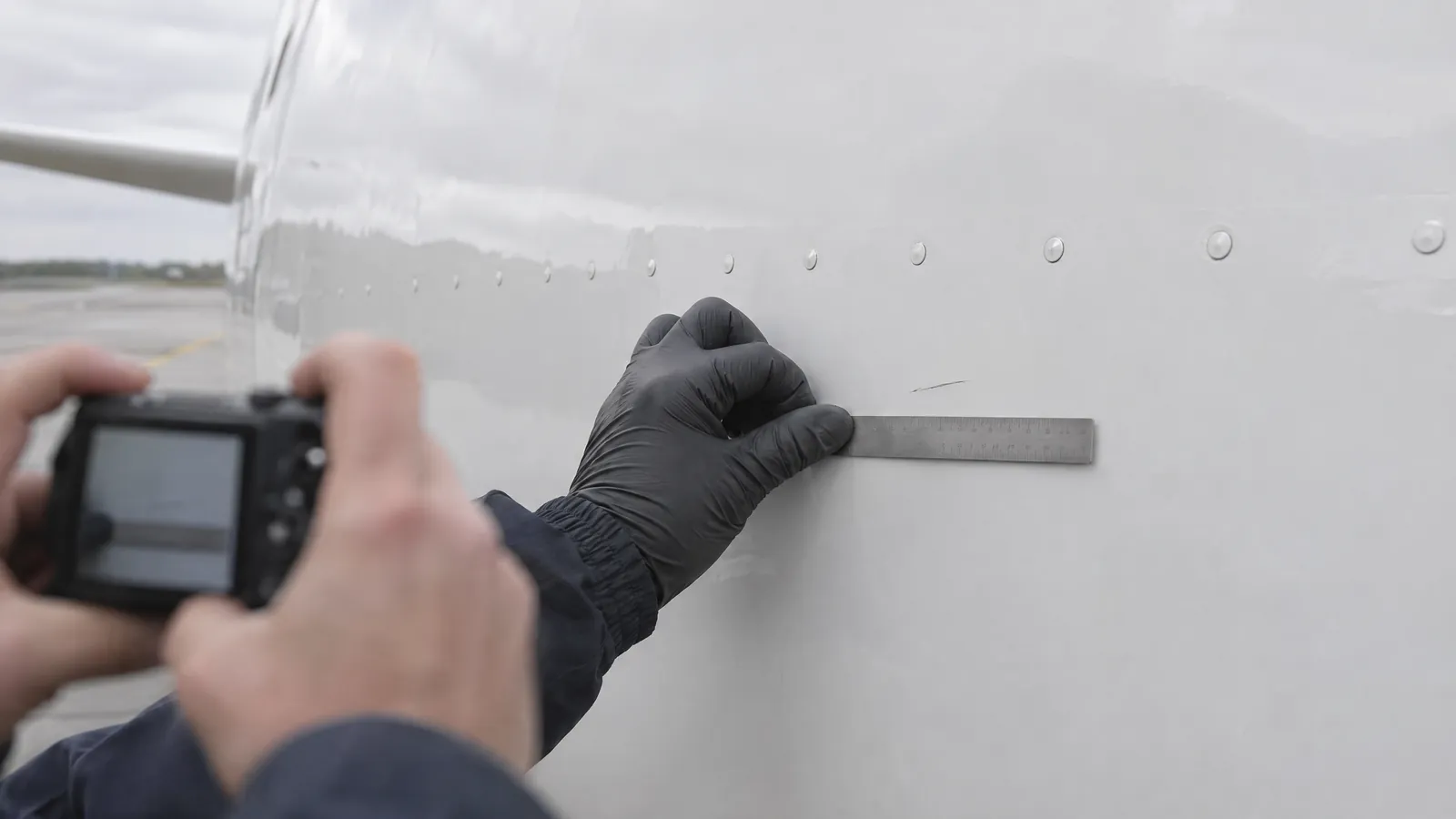
- Dated photographs of findings.
- The correspondence about each item.
- The technical acceptance certificate, if one was signed, and its exceptions.
Aircraft move on. By the time a claim is heard, the aircraft has often been repaired, repainted and delivered to another operator. The case is then decided on the file, which is why contemporaneous findings are so valuable.
Why is return language so often at the centre?
Because technical terms in a lease can be read more than one way. A phrase such as fresh from a heavy check, or serviceable, or in accordance with the manufacturer's limits, has a working meaning in the industry that may be narrower or wider than a plain reading suggests.
Explaining what such terms mean in practice, and how they are normally applied, is a frequent task for a technical expert. See lease acceptance and return language.
What does a technical expert contribute?
In a return dispute the expert is usually asked to address some or all of:
- What the return conditions required in technical terms.
- What the records and findings show about the aircraft's condition on the date.
- Whether a records gap could have been closed, and how.
- What work was needed to reach return condition, and what it reasonably cost.
- How long that work should reasonably have taken.
- The effect of damage or missing history on the aircraft's value.
The role, and its limits, are described in what an aviation maintenance expert witness does. Jet Research's work in this area is set out under lease return disputes and records and traceability disputes.
How can a dispute be made less likely?
Most of the protection is put in place long before the return.
- Return conditions written in terms that can be measured and evidenced.
- Regular mid-lease inspections, with findings recorded and followed up.
- Redelivery planning that starts early enough for records and engines.
- One open items list, kept jointly and dated, from the first day of the return.
- Photographs and reports made at the time, by people who can later explain them.
Where a matter does go forward, it may be heard in court or in arbitration, depending on the lease.
Short answers.
- Are aircraft lease return disputes litigated or arbitrated?
- It depends on the dispute clause in the lease. Both occur.
- What is the difference between return condition and airworthiness?
- Airworthiness is the regulatory minimum for flight. Return condition is contractual and usually asks for more, such as life remaining on major parts and a complete records set. An aircraft can be airworthy and still fall short of its return conditions.
- Who decides whether a return condition was met?
- The court or tribunal, on the evidence. Technical experts help it understand what the conditions required and what the records and findings show.
- Can a dispute be assessed after the aircraft has been repaired or re-leased?
- Usually, from the records, reports and photographs made at the time of the return. The quality of that file largely determines how firm an opinion can be.
Where this becomes a job.
- expert witnessLease return disputesExpert opinion on condition, records and cost.
- expert witnessLease acceptance and return languageWhat the technical terms in a lease mean in practice.
- expert witnessAircraft damage and diminution of valueDamage, repair and the effect on value.
- capabilitiesLease returnsTechnical representation at the redelivery itself.
 INT-05 / Start hereWhat does an aviation maintenance expert witness do?The role of an aviation maintenance expert witness: the cases, the material reviewed, what goes in the report, and when counsel should bring one in.6 min read
 INT-01 / Start hereAircraft lease return conditions: what has to be proven at redeliveryWhat aircraft lease return conditions cover, why most of the proof is in the records, when a redelivery should start and where returns usually go wrong.6 min read
 INT-02Back to birth traceability: what it means and why one gap mattersWhat back to birth traceability means for life limited aircraft parts, what the record has to contain, where gaps come from and what can be done about them.6 min read
General information on aircraft technical practice. It is not legal advice and it is not an opinion on any particular aircraft, lease or dispute.