
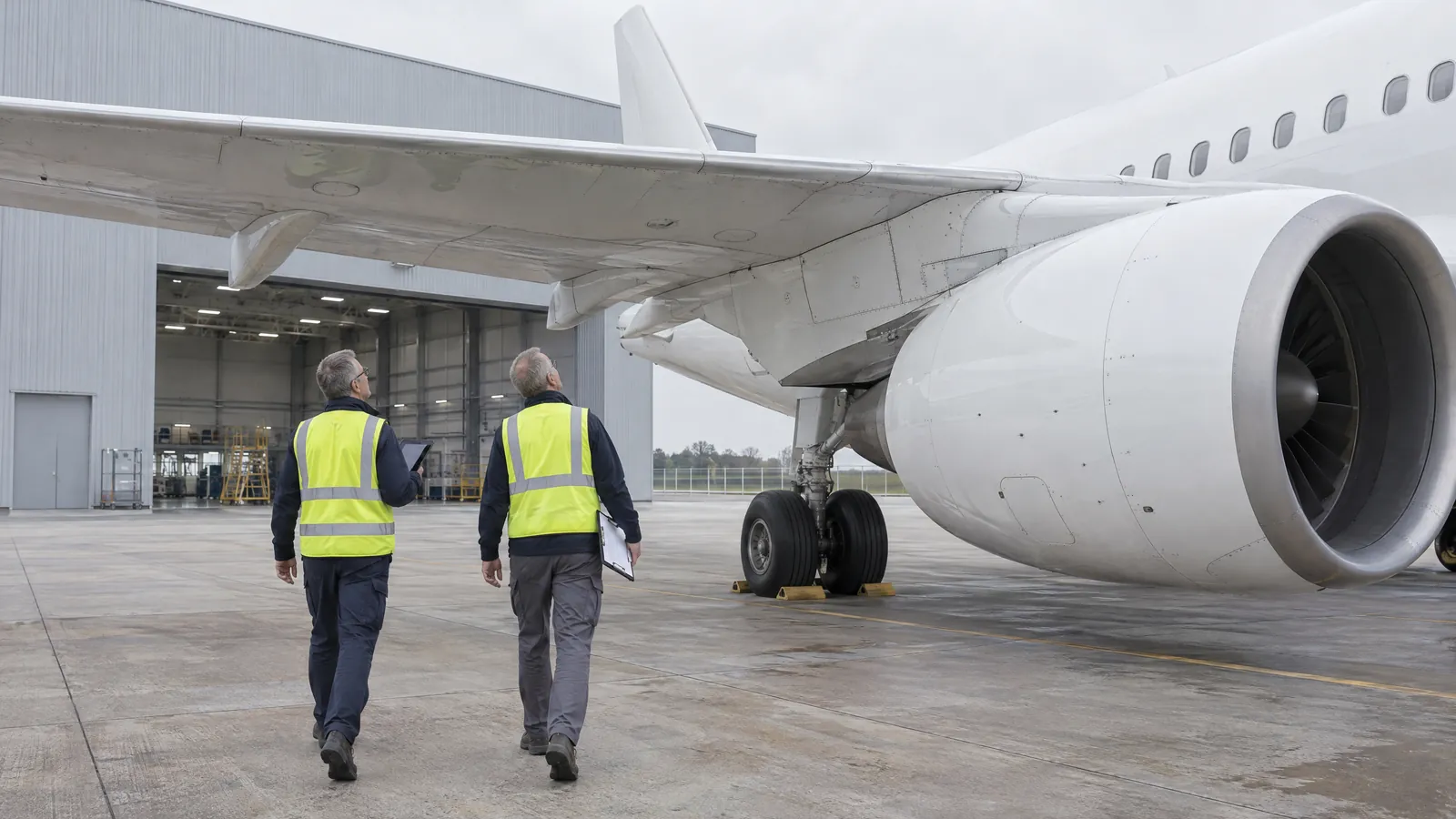
[INT-01]Redelivery and condition
Aircraft lease return conditions: what has to be proven at redelivery
Jet ResearchReviewed 6 min read
Lease return conditions are the contractual standards an aircraft has to meet when it goes back to its owner. They usually cover the airframe check status, engine and landing gear life, component and life limited part status, airworthiness directive compliance, cabin and paint, and a complete set of records. The lessee has to show that each one is met, and most of that proof is paper.
Key points
- Return conditions are set by the lease, not by the regulator, and usually ask for more than airworthiness.
- A condition that cannot be evidenced is treated as a condition not met.
- Records, shop slots and engine work all have lead times. Late starts are paid for in rent.
What are lease return conditions?
An operating lease lets an airline fly an aircraft it does not own. When the lease ends, the aircraft goes back, and the lease says in what state. Those requirements are the return conditions, also called redelivery conditions.
They exist because the owner has to place the aircraft with its next operator or sell it. An aircraft returned with its heavy check just done, life left in its engines and a clean set of records can go straight to the next customer. One that is not costs the owner time and money to put right.
What do return conditions usually cover?
The detail varies from lease to lease. Most cover the same ground.
- Airframe: fresh from, or within a stated time since, the heavy check named in the lease.
- Engines: a minimum life remaining on each life limited part, a borescope inspection, and a performance check.
- Landing gear and auxiliary power unit: a minimum time remaining before the next overhaul.
- Components: hard time components with life remaining, each with its release certificate.
- Airworthiness directives: every applicable directive complied with, and the evidence to show it.
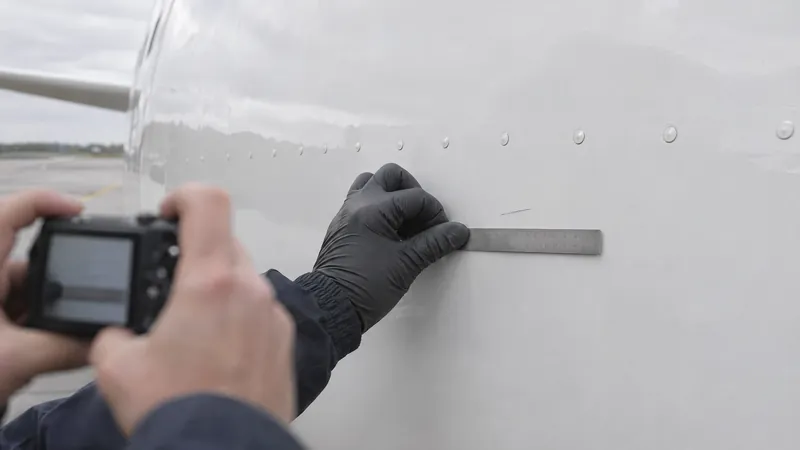
- Structure: repairs documented and approved, and any damage within published limits.
- Cabin and paint: the configuration and exterior finish the lease specifies.
- Records: complete, legible, in English and traceable.
- Transfer: the aircraft able to be deregistered and exported to its next jurisdiction.
Many leases use a half life standard, under which major items come back with about half of their interval remaining or with a payment that adjusts for the difference.
Why is most of the proof in the records?
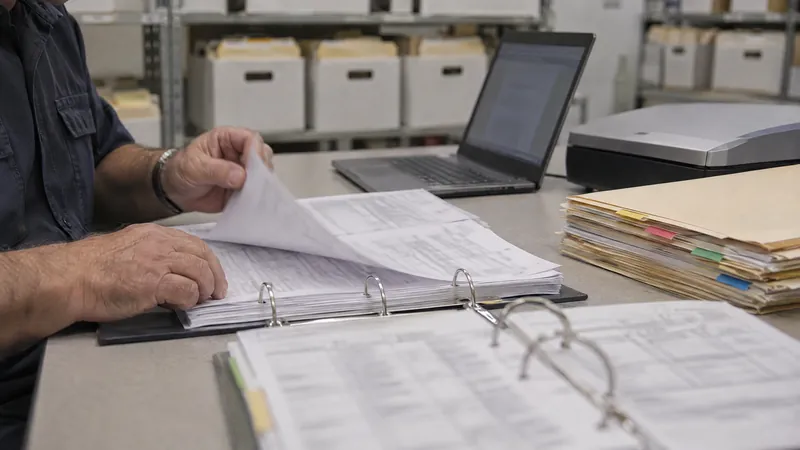
An inspector can see paint, corrosion and cabin wear. Nobody can see how many cycles an engine disc has flown, whether a repair was approved, or whether a directive was carried out eight years ago. Those facts live only in the records.
That is why a maintenance records audit usually takes longer than the physical inspection, and why life limited parts get the closest attention. Their history has to be complete from manufacture, which is the subject of back to birth traceability.
When should a redelivery start?
Many operators begin planning about a year before the return date. Records requests to earlier operators take time. Heavy check slots are booked months ahead. An engine that needs a shop visit to meet its return condition has to go in early enough to come back.
The return check itself is usually a matter of weeks. The preparation around it is what takes months. An owner who has kept an eye on the aircraft through mid-lease inspections arrives at this point with far fewer surprises.
Where do lease returns usually go wrong?
The same problems recur.
- Gaps in the records: missing release certificates or an incomplete history on a life limited part.
- Findings that surface late in the return check, with no time left to correct them.
- Engine work scheduled too late to finish before the return date.
- Repairs that were carried out but never properly documented or approved.
- Differences between the cabin as flown and the configuration the lease requires.
When a condition is not met on the date, the lease usually provides for continued rent or a financial settlement. When the parties cannot agree whether it was met, the result is a lease return dispute.
What does the owner's representative do?
The owner normally sends a technical representative to the return. That person reviews the records, inspects the aircraft, attends the borescope inspections and engine runs, and keeps a running list of open items with the operator until each is closed or priced.
Jet Research does this work for lessors, lenders and airlines. See lease returns, engine lease return inspections and maintenance event representation.
Short answers.
- Who pays to meet lease return conditions?
- The lease decides. In most operating leases the lessee bears the cost of meeting the return conditions, with maintenance reserves or end of lease compensation adjusting for the life that was used. The wording of the specific lease governs.
- What is a half life return condition?
- It is a return standard under which major items, such as engines, landing gear and the airframe check, come back with about half of their interval or life remaining, or with a payment that adjusts for the difference.
- Is an airworthy aircraft automatically in return condition?
- No. Airworthiness is the regulatory minimum for flight. Return conditions are contractual and usually ask for more, such as life remaining on parts and a complete records set.
- What happens if the conditions are not met on the return date?
- The lease usually provides for rent to continue until the conditions are met, or for a negotiated financial settlement. Which applies depends on the lease.
Where this becomes a job.
- capabilitiesLease returnsTechnical representation through the whole redelivery.
- capabilitiesMaintenance records auditsThe records reviewed against the lease and the regulations.
- capabilitiesEngine lease return inspectionsBorescope, performance and records for engines at return.
- expert witnessLease return disputesExpert opinion when the parties disagree about condition.
 INT-02Back to birth traceability: what it means and why one gap mattersWhat back to birth traceability means for life limited aircraft parts, what the record has to contain, where gaps come from and what can be done about them.6 min read
 INT-04Mid-lease inspections: what an aircraft owner should check, and whenWhat a mid-lease aircraft inspection is, what the owner's inspector checks on the aircraft and in the records, and how it protects the return.5 min read
 INT-06Lease return disputes: the technical questions they turn onThe technical questions at the centre of aircraft lease return disputes, the evidence that answers them and what a technical expert contributes.6 min read
General information on aircraft technical practice. It is not legal advice and it is not an opinion on any particular aircraft, lease or dispute.